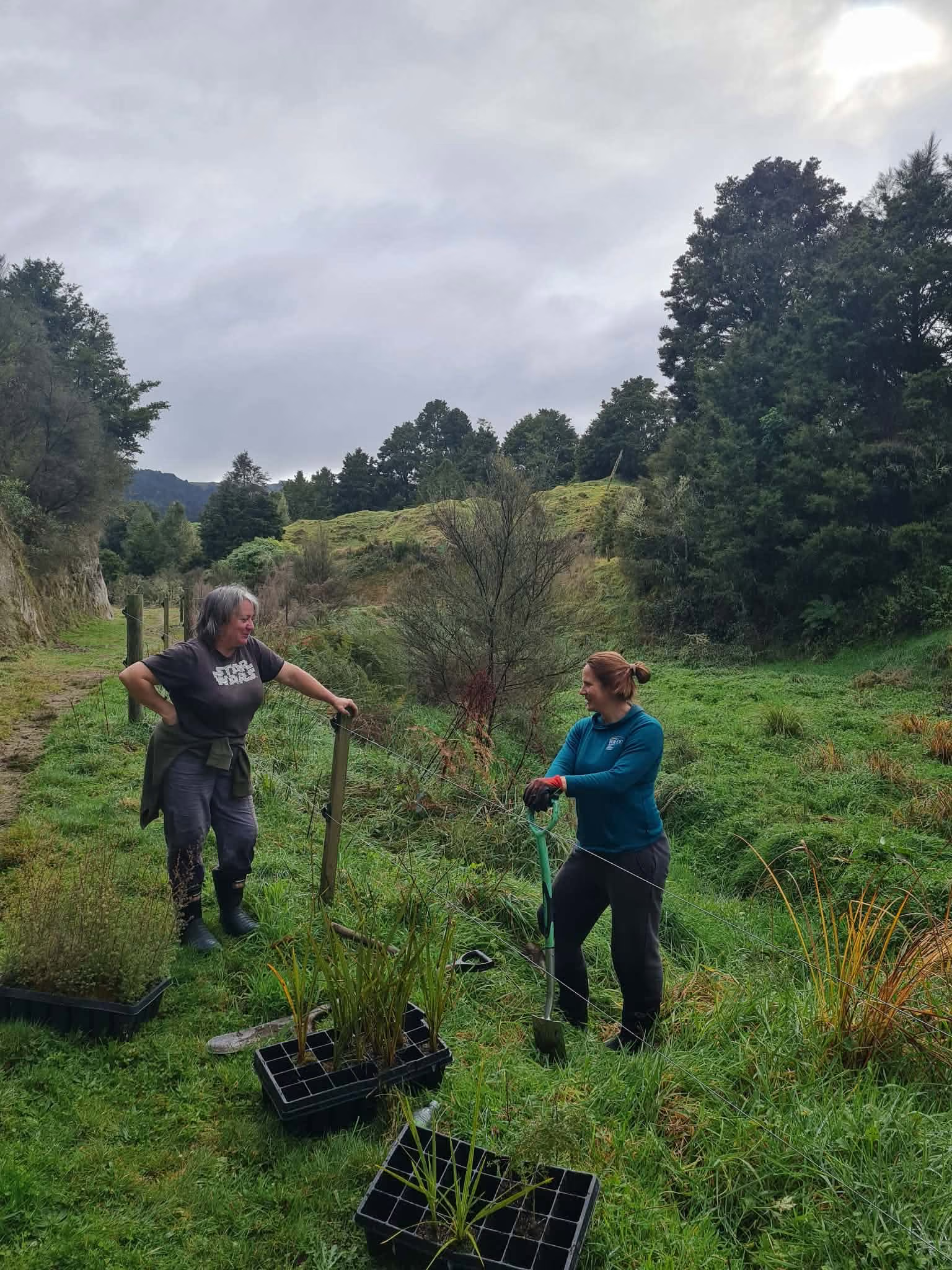
More than 7,500 native plants across 15 properties are helping improve water quality, biodiversity and catchment resilience.
Across all three catchments, the story is a similar one: hill country seepage wetlands sitting quietly in gullies and paddock corners, doing more work than they often get credit for. Fenced off from stock and replanted, these wetlands slow water down, allowing sediment to settle out before it reaches streams and rivers. Wetland plants act as natural filters, helping absorb nutrients such as nitrogen and improving downstream water quality. Wetlands also play an important role in reducing the impacts of flooding by absorbing and slowly releasing water during heavy rain events. For hill country farms, this can also mean keeping valuable topsoil where it belongs. During heavy rainfall, wetlands slow runoff and capture sediment before it is carried into waterways. This helps retain productive soil on-farm, reduces erosion and can lessen the amount of sediment moving into downstream channels
and infrastructure. In New Zealand, wetlands are among our most valuable and threatened ecosystems. Manaaki Whenua Landcare Research reports that New Zealand has lost 90 percent of its wetlands since European settlement. The wetlands that remain sustain indigenous species, filter nutrients, absorb floodwaters and sequester carbon, providing environmental, economic, social and cultural benefits. Wetlands also provide vital habitat. The Department of Conservation notes that threatened birds such as matuku-hurepo (Australasian bittern), brown teal, fernbird, marsh crake and white heron rely on remnant wetlands. Native fish use wetlands too, including inanga, short-finned eels, kokopu and bullies, while freshwater wetlands provide important spawning habitat for whitebait species. For our catchment groups, protecting and restoring these small seepages, springs and wetlands is one of the most practical actions landowners can take to improve water quality while creating lasting environmental benefits on-farm.
In the Whakapapa catchment, seven wetland sites across six properties were planted with support from Whanganui Region Catchment Collective, NZ Landare Trust and plants funded by Whanganui River Enhancement Trust. Landowners have fenced, staked and planted more than 2,470 plants between them, including protecting a high-biodiversity wetland in the Raurimu/Oio area. One site has been held back especially for a planting day with Owhango and Kaitieke School on 3 September, once the worst of the frosts have passed.
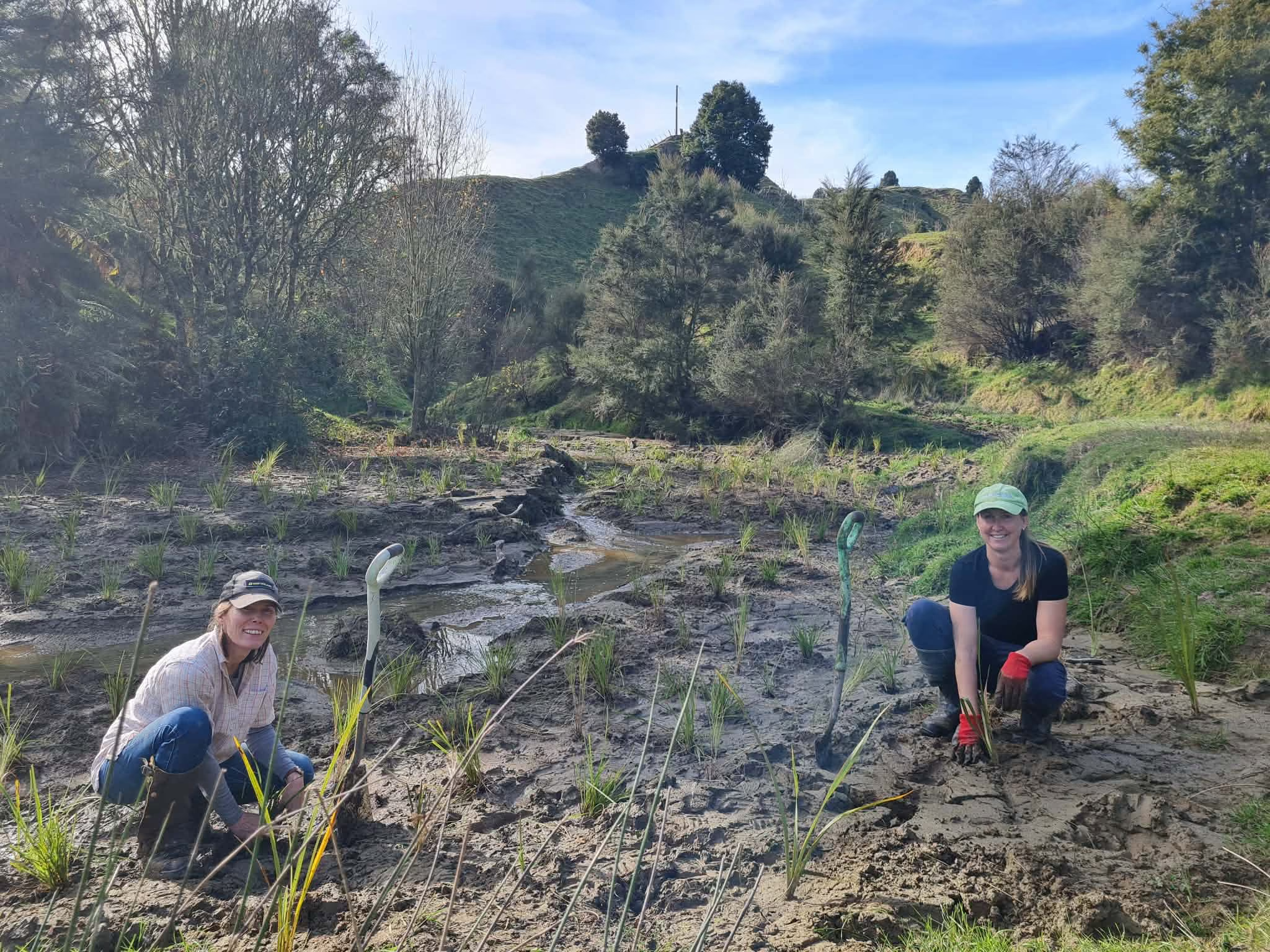
Next door in the Retaruke catchment, nine sites across five properties have been planted, with more than 2,440 plants distributed to landowners. One standout project involved a seep that had washed out a culvert during a recent big rain event, carrying sediment from the surrounding area and highlighting the important role wetlands can play in slowing water and keeping soil on the farm where it is most valuable. The area has now been closely planted with carex and flax to help stabilise loose sediment before it moves further downstream. The catchment's showcase wetland site, with two years of monthly water quality monitoring behind it, has also had toetoe and flax added.
Up in the Upper Ongarue, four landowners planted five sites with support from WRCC, putting 2,681 plants into approximately 7,000 square metres of retired wetland. Plants were sourced from Waihuka Natives, Kokakonui Natives and Restore Natives, all strong, locally grown stock with a good chance of establishing well.
None of this work would have been possible without support from the Whanganui River Enhancement Trust. The Trust's investment enabled landowners across the Whakapapa, Retaruke and Upper Ongarue catchments to access thousands of native plants and practical restoration support that may otherwise have been beyond reach.
The funding has done far more than simply purchase plants. It has helped landowners retire vulnerable wetland areas from grazing, stabilise erosion-prone sites, improve biodiversity outcomes and take meaningful action to protect waterways flowing into the Whanganui River catchment. By reducing the financial barriers associated with wetland restoration, WRET has enabled projects to be completed at a scale that will deliver environmental benefits for years to come.
Importantly, the funding has also helped build momentum within our catchment communities. It has provided an opportunity for landowners to learn more about wetland restoration, share experiences with neighbours and see first-hand the value of these often-overlooked parts of the farm landscape. The success of this programme demonstrates what can be achieved when funding partners, catchment groups and landowners work together toward a common goal.
These projects have done more than get plants in the ground. Six new members have joined our catchment groups as a direct result of this mahi, and landowners who had not previously engaged have come on board too. Feedback from those involved has been overwhelmingly positive, with many landowners appreciating the support and guidance around what to plant, where to plant it and the environmental benefits their projects can deliver.
There is more to come this spring, with plant releasing and ongoing care underway, and a wetland workshop with wetland specialist Rebecca Eivers of Wai Kokopu Consulting coming up on 21 September. The workshop is open to members across all our catchments and will provide practical information on wetland protection, restoration and management.
Nga mihi nui to everyone who rolled up their sleeves this autumn: landowners, coordinators, nurseries, NZ Landcare Trust staff, Horizons Regional Council staff and the Whanganui River Enhancement Trust alike. Thanks to this collective effort, more than 11 hectares of wetlands are now on a path to recovery. These wetlands will quietly continue filtering water, trapping sediment, helping keep soil on-farm, providing habitat for native species and improving the health and resilience of our catchments for many years to come.
• Department of Conservation, Why wetlands are important: LINK TO WEBSITE
• Department of Conservation, Wetlands protection and restoration advice: LINK TO WEBSITE
• Manaaki Whenua Landcare Research, Restoring wetland ecosystem functioning: LINK TO WEBSITE
• Manaaki Whenua Landcare Research, Wetlands: LINK TO WEBSITE